

40+ Japandi-Style Bathroom Design Ideas for a Modern, Serene Space
Some of the links in this post are affiliate links, including from Amazon and other trusted partners. If you click on the link and purchase the item, I may receive a small commission at no extra cost to you. You can learn more here.
Japandi-style bathrooms feel like a deep exhale, especially when you’re planning a space you will use every single day. The mix of clean lines, warm wood, and quiet colors works best if you want a bathroom that feels calm in the morning and grounding at night, even when the layout is small or shared.
What I love most is how Japandi helps you choose what actually works for your home. It blends Japanese simplicity with Scandinavian practicality, so the room feels thoughtful without being precious. You end up with a space that supports real routines, not just a look.
After a trip to Japan, I started bringing more Japanese-inspired details into my own home, especially in rooms that tend to feel rushed or cluttered. It has been one of the easiest ways to create a calm, intentional bathroom that still feels livable, even on busy days.
What is Japandi Design?
Japandi blends Japanese and Scandinavian aesthetics into one calm, grounded style. It’s influenced by Japan’s love of craftsmanship and wabi-sabi, which embraces imperfection and natural ageing.
Layer in Scandinavia’s hygge mindset (a way of creating warmth and ease), and you get a look that feels both intentional and relaxed – very much in line with Pantone’s 2026 color trend.
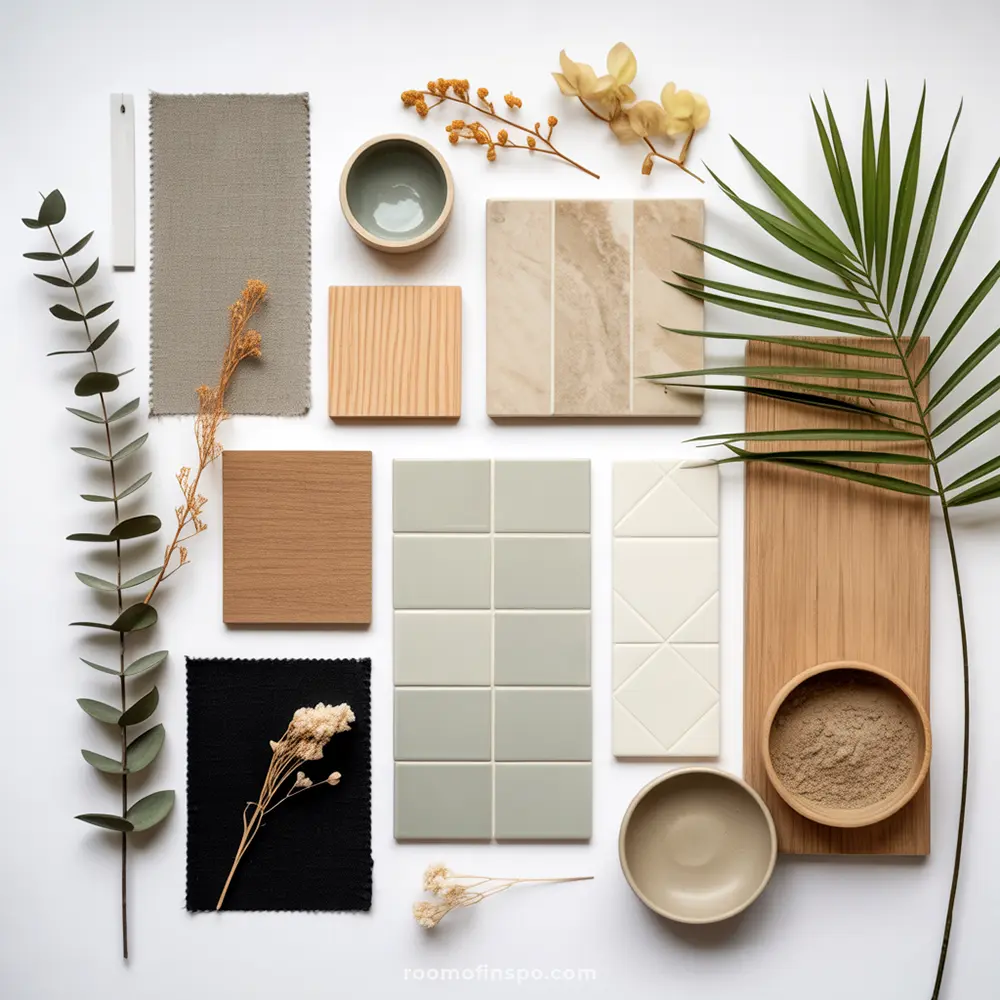
To explore more about Japandi design and other popular interior styles, check out my guide on the most popular interior design styles.
Embrace Modern Japandi Bathroom Design
Modern Japandi bathrooms bring together clean lines, natural materials, and quiet intention, which works well if you’re choosing a look that feels ordered without feeling cold.

Imagine smooth, handle-free vanities paired with pale wood, soft lighting, and matte finishes. It’s not about doing less, but what matters.

These spaces feel calm because there’s nothing extra competing for attention, which suits homes where visual rest matters.
Even the small details, like a gently rounded mirror or slim faucet silhouette, help strike that balance between form and function.

Indulge in Luxury Japandi Bathroom Design
Luxury in Japandi design doesn’t scream for attention. Instead, it shows up in thoughtful details and quality materials.
Marble countertops with soft veining, handcrafted wooden stools, or a soaking tub in a soft eggshell finish can shift the whole tone of the space.

Pair those with designer Japandi light fixtures in muted metal or stone and you’ve got a bathroom that feels grounded and elevated at the same time. It’s indulgent, but never loud.
Make the Most of a Small Japandi Bathroom

Japandi and small spaces work well together if you’re planning a bathroom that needs to feel open without adding square footage.
The style naturally leans into simplicity, smart storage, and light tones, all of which help a room feel more open.

A well-placed mirror can double the light and add depth, which helps if your bathroom has limited natural light. Pale beige, soft taupe, or crisp white walls are always a good move here.
Create a Japandi Zen Bathroom
A Japandi Zen bathroom focuses on simplicity and tranquility. Add a stone vessel sink, soft lighting, and calming Japandi plants for a spa-like atmosphere.
You can find beautiful stone vessel sinks on Amazon that instantly bring this serene, natural texture home.

For more simplistic bathrooms that feel even more natural, check out my post on Wabi Sabi bathroom ideas.
Use Sliding Doors for a Seamless Look
Sliding doors inspired by Japanese shoji screens are both stylish and practical. They save space and bring a light, minimalist touch to the bathroom.
Stick with neutral tones so the doors blend in naturally with the Japandi palette.

Add a Stone Vessel Sink for a Natural Touch
Stone vessel sinks bring a grounded feel and are a good choice if you want the sink area to feel intentional without visual clutter. Their weight and texture create a strong link to the outdoors, which is a big part of this style.

I love how they contrast gently with wooden countertops, making the space feel both balanced and calm. It’s a simple change that adds a lot of character without making the room feel busy.

Incorporate Textured Wall Panels
Textured wall panels are a simple ways to bring quiet depth into a bathroom.
Ribbed wood, slate, or soft stone finishes work especially well with minimal Japandi decor. But they also overlap beautifully with boho-style bathroom textures that lean natural and tactile.


Use them behind bathtubs, along vanity walls, or in narrow entryways to help define the space. The key is to keep the material natural and the tone neutral, so it adds warmth without distraction.

Choose Tiles for Texture

Japandi tiles are all about subtle texture and soft finishes. Matte ceramic, stone, or lightly grooved tiles help keep the space from feeling too flat.
I usually recommend neutral shades like gray, beige, or soft black to maintain a clean look that still feels layered.

Invest in a Functional Japandi Vanity
Japandi vanities combine clean lines with hidden functionality, which works well if you’re choosing storage that stays out of sight.
Floating versions are a strong option if you’re deciding between layouts and want more visible floor space.

Look for clever storage options like concealed drawers or slim compartments to keep everything organized. The goal is a space that feels clear and intentional, not busy or overstuffed.
Relax with a Japandi Bathtub
Freestanding bathtubs fit beautifully into the Japandi mindset. Soft curves, smooth finishes, and natural materials like stone or ceramic help turn the tub into a subtle focal point.

Surround it with earthy textures and soft greenery to create a calming rhythm in the room.

Select a Simple Mirror

A Japandi-style mirror brings both function and beauty into the room. Minimalist frames, especially in black or light wood, blend in seamlessly with the rest of the design.
I found many elegant round mirrors on Amazon (choose a black one or one with pale wood).

I tend to go with round mirrors for a softer shape, especially when the rest of the space is more linear. If you can, choose one with integrated lighting. It adds a glow that feels subtle but really practical.

Install Japandi Lighting for a Warm Ambience
Japandi lighting focuses on a soft, welcoming glow and works well for bathrooms used both early and late in the day.

Pendant lights, lantern-style fixtures, and wall sconces work beautifully. Avoid harsh lights to maintain the bathroom’s tranquil vibe.
👉 My Top Tip: I always layer Japandi lighting with natural light whenever possible. Combining these creates a dynamic, calming atmosphere that works throughout the day.

Add Integrated Shelving for Practicality
Integrated shelving combines style with practicality and suits bathrooms where everyday items need to stay close but visually calm.
Built-in shelves beside the bathtub or above the sink keep essentials within reach. This feature is both modern and space-efficient.

When styled with restraint, integrated shelving can act as a focal point while still feeling calm and uncluttered.

👉 My Top Tip: Integrated shelving works best when styled minimally. I like to display only a few items, such as rolled towels or a small plant, to keep the look clean and intentional.
Go Bold with a Black Japandi Bathroom
Black Japandi bathrooms feel dramatic and modern, and they work best in spaces where contrast is part of the overall design direction.
Dark tiles, black fixtures, and wooden accents create a striking contrast. The same grounded effect can also come from a moody blue bathroom palette layered with warm wood.

Add soft lighting to keep the space warm and inviting rather than harsh.
👉 My Top Tip: When using black in a Japandi bathroom, I like to balance it with natural light or reflective surfaces. This prevents the space from feeling too heavy while keeping the dramatic effect intact.
Freshen Up with a Green Bathroom
Green Japandi bathrooms feel organic and serene. Use shades like sage or olive on the walls or in accents like Japandi plants.
These tones complement wooden furniture and natural light beautifully.

Add Softness with a Pink Bathroom
Pink Japandi bathrooms bring in a gentle warmth that can shift the mood of the entire space.
Light blush tones work well as accents through textiles, wallpaper, or ceramics. You can find beautiful blush pink bathroom towels on Amazon that add warmth without overpowering the space.

Brighten the Space with Yellow
A yellow Japandi bathroom brings energy without overwhelming the senses. Muted mustard, clay yellow, or golden tones work especially well with natural wood finishes and simple lines.

You can bring in the color through towels, vases, or a single painted wall. Even small touches can make the room feel warmer and a bit more playful, while still staying true to the Japandi vibe.
👉 My Top Tip: When working with yellow tones, I like to keep the rest of the palette neutral. This ensures the yellow accents pop without overwhelming the space.
Lay Down a Japandi Rug for Comfort
A rug adds warmth to your bathroom’s floors. Natural materials like jute or cotton are ideal for this style.
Choose a simple rug in neutral tones to complement the rest of the decor (by the way, Amazon has great Japandi bathroom rugs!).

Use Japandi Bathroom Wallpaper for Personality
Japandi wallpaper brings a quiet sense of personality into the bathroom. Nature-inspired prints or soft geometric patterns can add detail without clashing with the minimalist feel.
It works best when used sparingly. One accent wall is often enough. Stick to soft colors and natural motifs to keep the look grounded and calm.


Add Japandi Plants for Freshness
Plants like bamboo or ferns, bring life to your bathroom. Place them on a windowsill, a shelf, or even beside the sink. Their greenery contrasts beautifully with neutral Japandi tones.
Grouping plants of varying heights together creates a natural, curated look.

Incorporate Washi Paper Elements
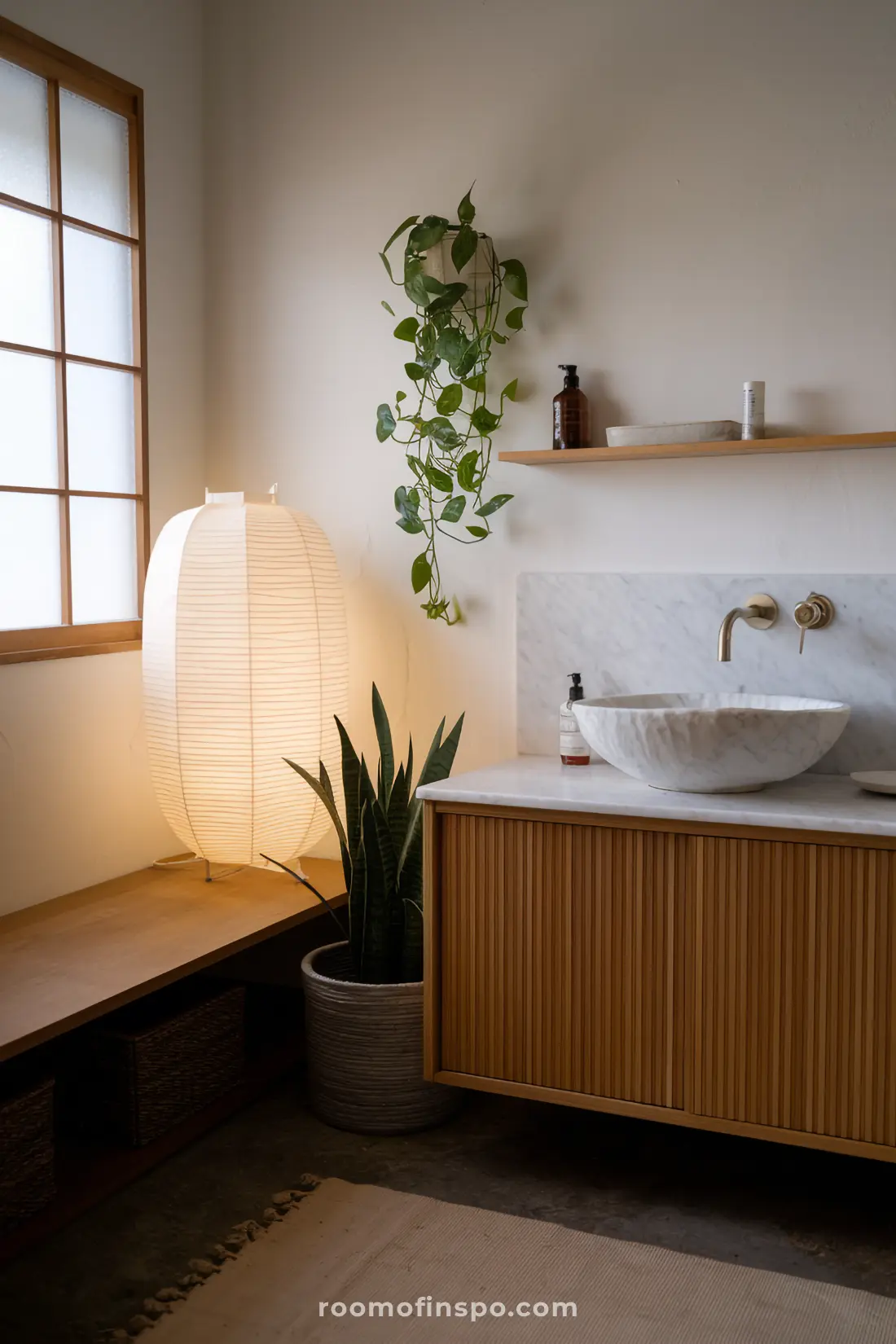
Washi paper accents bring a gentle, traditional feel into a Japandi bathroom. Screens, lanterns, or soft lampshades made from washi add texture without weight, especially in rooms with plenty of natural light.

👉 My Top Tip: I find Washi paper elements particularly effective when paired with warm wood tones. This combination highlights Japandi’s balance of texture and simplicity.
Master Japandi Organization with Smart Solutions
Keeping things functional and simple is key here. Floating shelves help open up the room, while wall niches and hidden compartments tuck clutter out of sight.

Try Bamboo Storage Solutions
Bamboo storage baskets and trays are a natural fit for Japandi bathrooms. They’re lightweight, functional, and easy on the eyes.
Their lightweight texture and warm tone blend beautifully with wooden details and soften the overall look.

Final Thoughts
Japandi-style bathrooms are the perfect mix of Japanese and Scandinavian styles, offering both beauty and functionality. This aesthetic’s focus on simplicity, natural materials, and tranquility makes it ideal for creating a serene retreat.
And if you’re inspired by Japandi design, you might also enjoy exploring my other Japandi-related posts:
Save this post for later!